
Running Caps & Visors – Athletic Headwear for Peak Performance
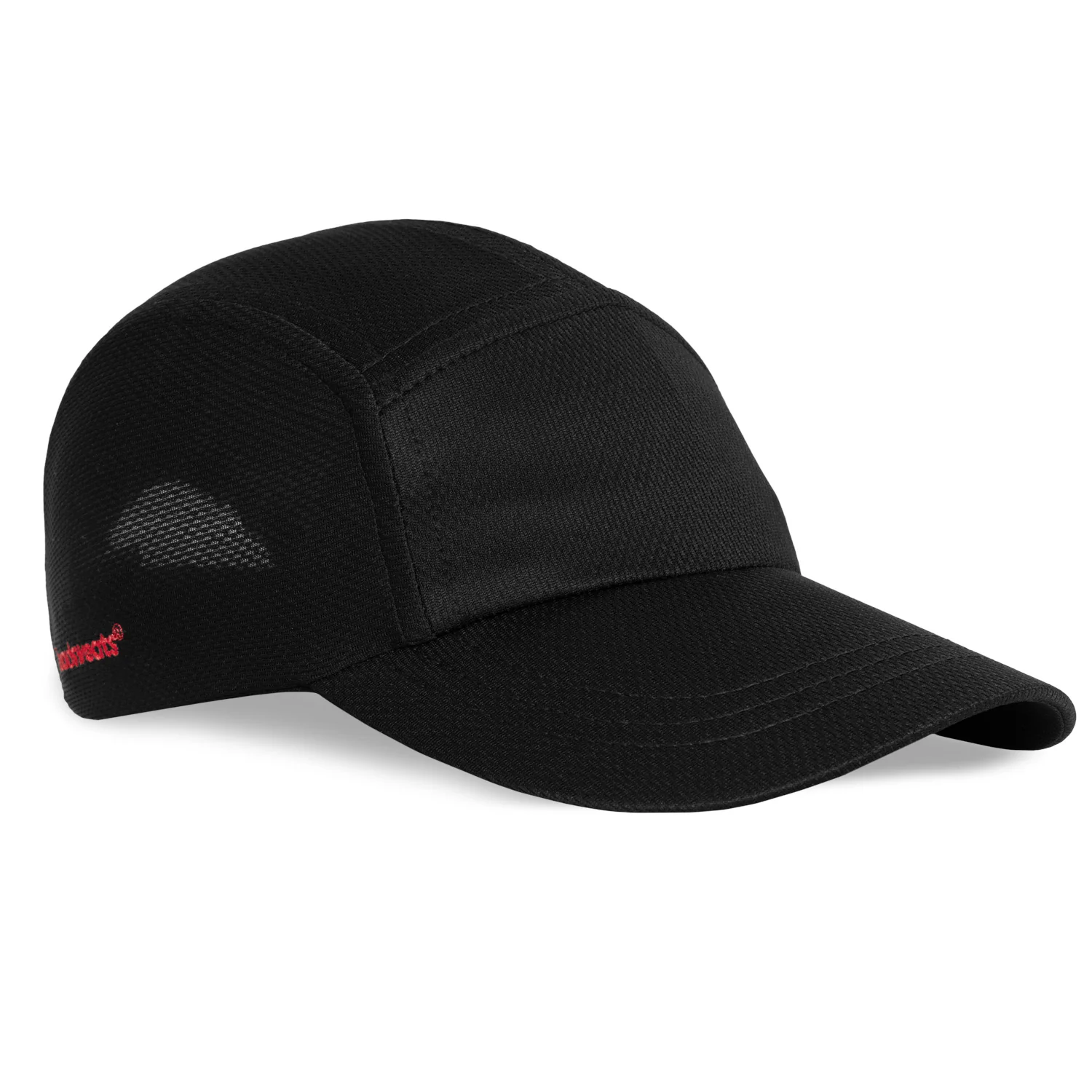
Performance Runner’s Cap
Engineered for serious athletes, this lightweight cap combines superior moisture management with all-day comfort. Features advanced breathable mesh panels and adjustable sizing for the perfect fit during intense training sessions.
Key Features:
- Moisture-wicking fabric technology
- Lightweight breathable mesh panels
- Adjustable snapback closure
- UV protection rating SPF 50+
- Reflective accents for low-light visibility
- Quick-dry construction
- Comfortable sweatband liner
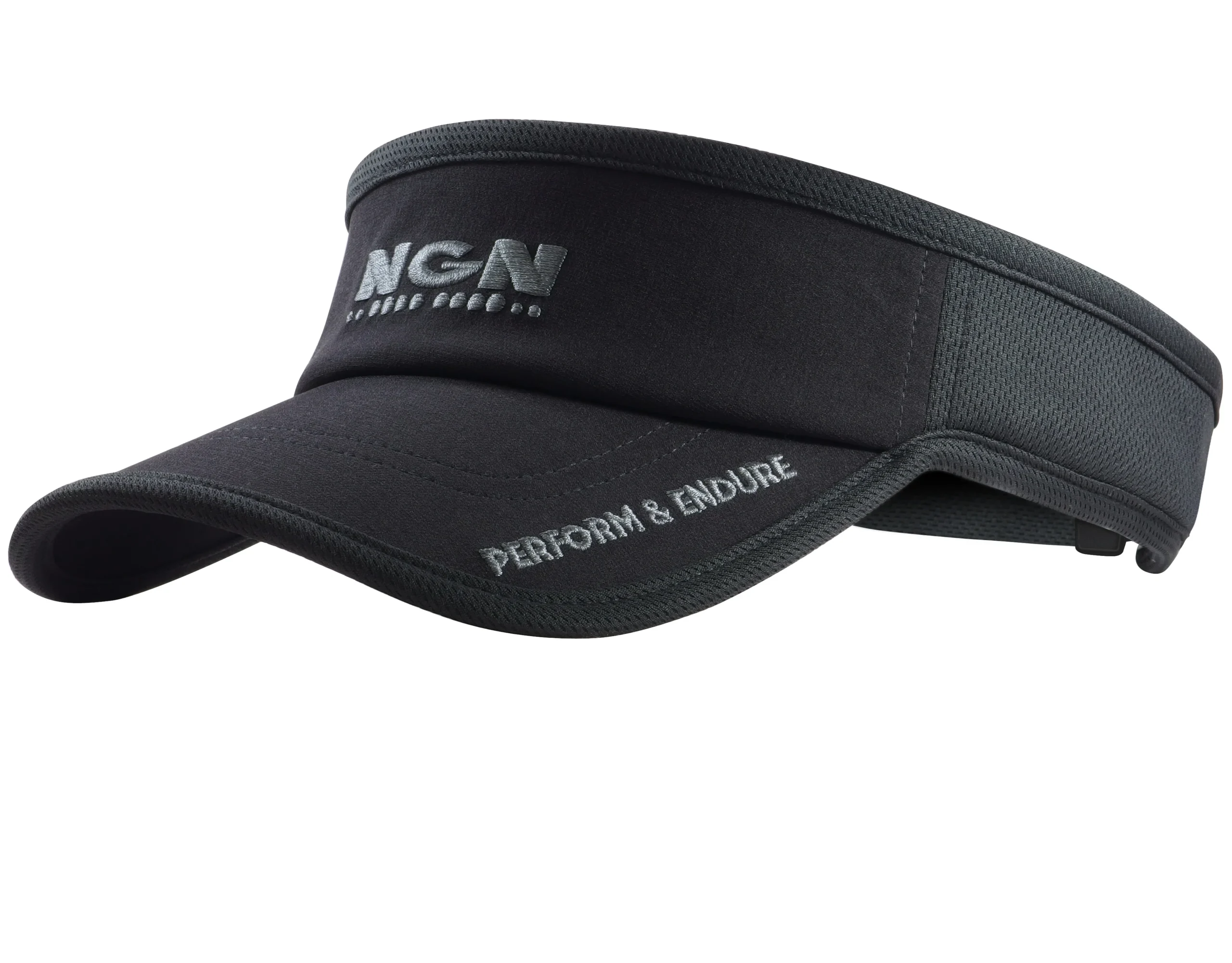
Ultra-Light Running Visor
Minimalist design meets maximum performance in this ultra-lightweight visor. Perfect for runners who want sun protection without the full coverage of a cap, featuring superior ventilation and secure fit technology.
Key Features:
- Ultra-lightweight construction under 2 oz
- Wide brim for maximum sun coverage
- Velcro adjustment system
- Anti-microbial treatment
- Sweat-resistant materials
- Packable design for travel
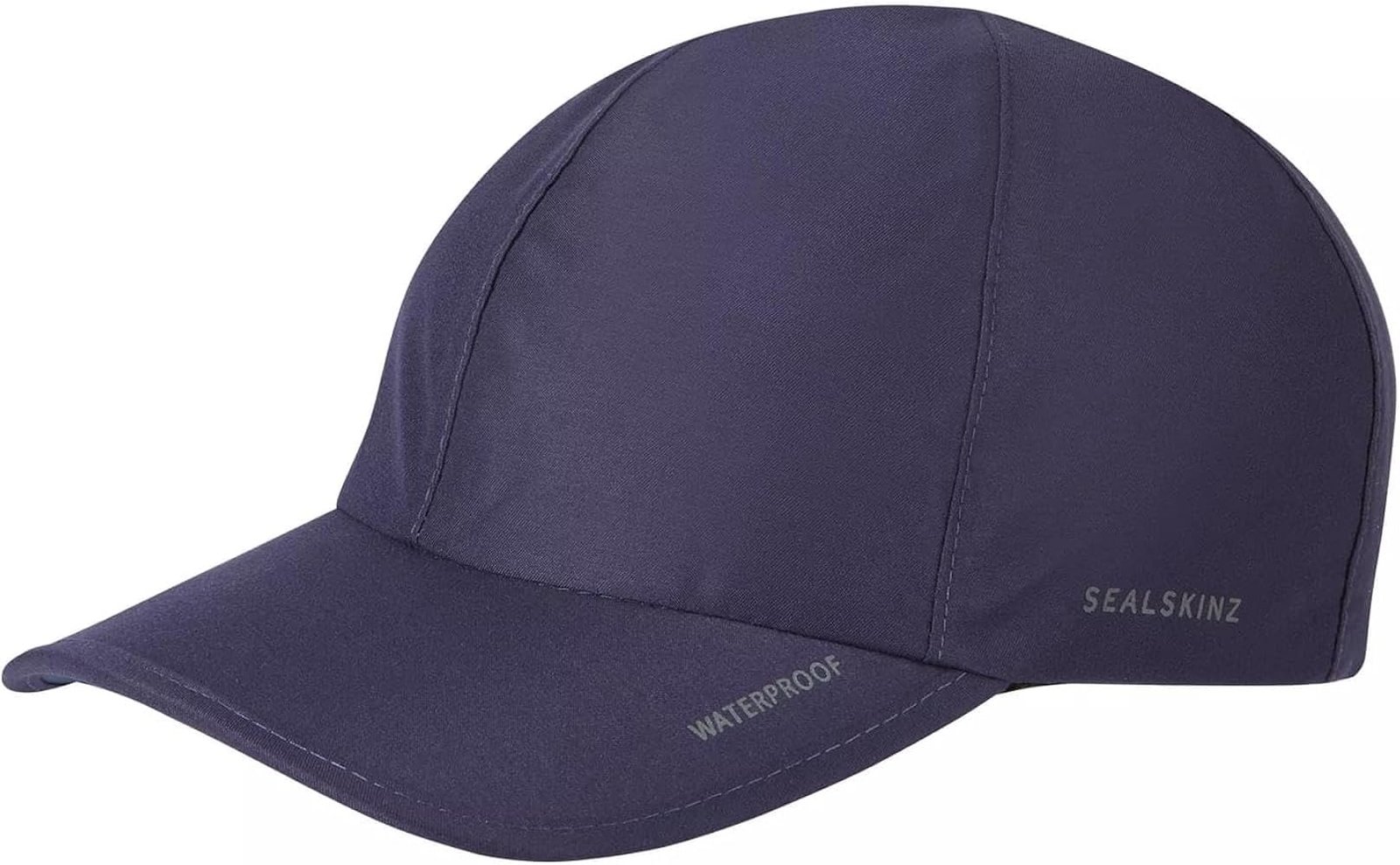
All-Weather Athletic Cap
Built to handle any conditions, this versatile cap transitions seamlessly from sunny morning runs to rainy evening training. Water-resistant materials and enhanced durability make it the go-to choice for dedicated runners.
Key Features:
- Water-resistant outer shell
- Enhanced durability construction
- Moisture-wicking interior lining
- Structured bill maintains shape
- Breathable side panels
- Machine washable
- UV protection technology
- Secure fit retention system
Why Every Runner Needs Quality Athletic Headwear
Running in various weather conditions demands specialized gear, and a quality apana running cap stands as essential equipment for serious athletes. Proper headwear protects against harmful UV rays while managing moisture and temperature regulation during intense workouts.
The right running cap or visor can dramatically improve your performance by keeping sweat out of your eyes and maintaining clear vision throughout your run. Athletic headwear designed specifically for runners incorporates advanced materials and construction techniques that standard caps simply cannot match.
Protection from the Elements
Sun protection remains one of the primary benefits of wearing a running cap during outdoor activities. Quality athletic headwear provides UPF protection that shields your face, ears, and neck from damaging ultraviolet radiation that can cause sunburn and long-term skin damage.
Wind and rain protection also factor into the equation, especially during challenging weather conditions. A well-designed apana running cap features materials that resist water while maintaining breathability, ensuring comfort regardless of environmental factors.
Enhanced Performance Benefits
Moisture management technology in modern running caps prevents sweat from interfering with your vision and concentration. Advanced wicking fabrics pull perspiration away from your skin, allowing for rapid evaporation and temperature control.
The psychological benefits of proper headwear shouldn’t be overlooked either. Feeling confident and comfortable in your gear translates directly to improved performance and longer, more enjoyable training sessions.
Caps vs Visors: Choosing the Right Style for Your Running Needs
The choice between a full cap and a visor depends largely on your personal preferences, running conditions, and specific performance requirements. Each style offers distinct advantages that cater to different types of runners and training scenarios.
Full caps provide complete head coverage and maximum sun protection, making them ideal for longer runs or training in exposed areas. An apana running cap with full coverage also offers better wind protection and helps retain body heat during cooler weather conditions.
When to Choose a Running Cap
Full caps excel in situations requiring maximum sun protection and weather resistance. Runners training for marathons or ultra-distance events often prefer the comprehensive coverage that caps provide during long hours in direct sunlight.
The enclosed design of caps also makes them suitable for runners with longer hair, providing better containment and reducing distractions during movement. Additionally, caps offer more surface area for reflective elements, enhancing visibility during early morning or evening runs.
Advantages of Running Visors
Visors appeal to runners who prioritize maximum ventilation and minimal weight. The open-top design allows for superior airflow, making them particularly popular among runners who tend to overheat or those training in humid climates.
The lightweight construction of quality visors reduces neck strain during long runs while still providing essential eye and face protection. Many competitive runners prefer visors because they don’t interfere with ponytails or other hairstyles common among serious athletes.
Essential Features to Look for in Running Headwear
Modern athletic headwear incorporates numerous technological advances that enhance performance and comfort. Understanding these features helps you select the most appropriate apana running cap for your specific training needs and environmental conditions.
Moisture-wicking capabilities rank among the most critical features in any running headwear. Advanced synthetic fabrics pull sweat away from your skin and transport it to the outer surface where it can evaporate quickly, maintaining comfort throughout your workout.
Advanced Fabric Technologies
Breathable mesh panels strategically placed throughout quality running caps provide targeted ventilation where you need it most. These panels allow air circulation while maintaining the structural integrity and protection offered by the headwear.
Antimicrobial treatments prevent the growth of odor-causing bacteria, keeping your cap fresh even after multiple intense training sessions. This feature proves especially valuable for runners who train daily or in hot, humid conditions where bacterial growth thrives.
Fit and Adjustment Systems
Adjustable sizing systems ensure your running cap stays securely in place regardless of movement intensity or duration. Quality adjustment mechanisms should be easy to operate even with wet or sweaty hands during mid-run modifications.
The sweatband design significantly impacts comfort during extended wear. Look for caps featuring soft, absorbent materials that won’t cause irritation or pressure points, even during the longest training sessions.
Visibility and Safety Features
Reflective elements strategically placed on your apana running cap enhance visibility during low-light conditions. These safety features prove essential for runners who train early in the morning or after sunset when visibility becomes compromised.
Bright colors and contrasting elements also contribute to visibility, helping drivers and other pedestrians spot you from greater distances during road running or trail activities.
Proper Fit and Sizing for Maximum Comfort
Achieving the perfect fit in your running headwear directly impacts both performance and enjoyment during training. A properly fitted apana running cap should feel secure without causing pressure points, headaches, or restricting blood circulation.
Measuring your head circumference provides the foundation for selecting the correct size. Use a flexible measuring tape positioned about one inch above your eyebrows and ears, ensuring the tape remains level around your head for accurate measurement.
Understanding Sizing Systems
Most quality running caps utilize adjustable sizing systems that accommodate a range of head sizes within each designated size category. These systems typically provide 2-3 inches of adjustment range, allowing for fine-tuning based on personal preference and hair thickness.
Consider how you typically wear your hair during runs when selecting size and adjustment settings. Ponytails, braids, or thick hair may require slightly larger sizing or different adjustment configurations for optimal comfort.
Testing the Fit
A properly fitted running cap should sit comfortably on your head without sliding forward over your eyes or backward off your head during movement. The sweatband should make contact with your forehead without creating excessive pressure or leaving marks after wear.
Test the security of fit by gently shaking your head from side to side and nodding up and down. Your cap should remain stable without requiring constant readjustment during normal running movements.
Adjusting for Different Conditions
Consider that head size can vary slightly based on temperature, hydration levels, and hair styling. Your apana running cap should accommodate these natural variations through its adjustment system without compromising security or comfort.
Some runners prefer a slightly looser fit during hot weather training and a more secure fit during windy conditions or trail running where branches and obstacles might catch loose headwear.
Care and Maintenance of Athletic Headwear
Proper care extends the life of your running headwear while maintaining its performance characteristics and appearance. Regular cleaning removes salt, sweat, and bacteria that can degrade materials and cause unpleasant odors over time.
Frequency of washing depends on your training intensity and environmental conditions, but most runners should clean their apana running cap after every 3-4 uses or immediately after particularly sweaty or muddy training sessions.
Washing Techniques
Hand washing represents the gentlest approach for maintaining the structural integrity of your running cap. Use cool water and mild detergent, gently scrubbing areas with heavy sweat or stain accumulation while avoiding excessive agitation that might damage delicate mesh panels.
Machine washing is acceptable for most quality running caps when using cold water and gentle cycle settings. Place the cap in a mesh laundry bag or wash it with similar colors to prevent damage from other garments during the wash cycle.
Drying and Storage
Air drying preserves the shape and performance characteristics of athletic headwear better than machine drying. Avoid direct sunlight during drying, which can fade colors and degrade elastic materials over time.
Proper storage in a cool, dry location prevents mold and mildew growth while maintaining the cap’s original shape. Avoid crushing or folding your running cap for extended periods, which can create permanent creases or damage to structured components.
Extending Headwear Lifespan
Rotating between multiple caps allows each one to fully dry between uses, reducing bacterial growth and material degradation. This practice proves especially beneficial for daily runners or those training in hot, humid conditions.
Regular inspection for wear signs helps identify when replacement becomes necessary. Look for stretched adjustment systems, degraded sweatbands, or compromised UV protection that might impact performance and safety during your runs.
Seasonal Considerations for Running Headwear Selection
Different seasons present unique challenges that influence your choice of running headwear. Adapting your apana running cap selection to seasonal conditions optimizes comfort and performance while providing appropriate protection against weather-related hazards.
Summer running demands maximum ventilation and sun protection, making lightweight caps with extensive mesh panels and high UPF ratings essential. The intense heat and humidity of summer training require headwear that prioritizes cooling and moisture management above all other considerations.
Summer Training Requirements
Light-colored caps reflect more sunlight than dark colors, helping to maintain cooler head temperatures during hot weather training. White, light gray, or bright colors provide both cooling benefits and enhanced visibility in bright conditions.
Maximum ventilation becomes critical during summer months when overheating poses real health risks. Look for caps featuring large mesh panels, strategic ventilation holes, or ultra-lightweight construction that doesn’t trap heat against your head.
Winter and Cool Weather Adaptations
Colder conditions may require running caps with more coverage and wind-resistant materials. Some runners prefer caps with ear flaps or longer bills that provide additional protection against cold winds and precipitation.
Darker colors can be advantageous during winter training, as they absorb more solar energy and provide slightly warmer temperatures. However, ensure adequate reflective elements for safety during shorter daylight hours common in winter months.
Transitional Season Versatility
Spring and fall weather often requires versatile headwear that can adapt to changing conditions during a single run. Your apana running cap should handle cool morning starts and warmer afternoon temperatures without causing overheating or inadequate protection.
Layering strategies become important during transitional seasons when temperatures fluctuate significantly. Consider caps that can be easily removed and carried or that complement other seasonal gear like arm warmers or light jackets.
Frequently Asked Questions
Elevate Your Running Performance with Quality Headwear
Selecting the right running headwear represents an investment in both performance and long-term health. A quality apana running cap provides essential protection against UV radiation, manages moisture effectively, and enhances comfort during training sessions of any duration or intensity.
The choice between caps and visors depends on your specific needs, running conditions, and personal preferences. Consider factors like climate, hair length, sun exposure duration, and ventilation requirements when making your selection. Remember that the best running headwear is the one you’ll actually wear consistently during your training.
Proper fit, quality materials, and appropriate features make the difference between headwear that enhances your running experience and gear that becomes a distraction. Invest in athletic headwear designed specifically for running rather than adapting casual caps that lack the performance characteristics serious training demands.
With proper care and maintenance, quality running headwear will provide months or years of reliable performance, making it one of the most cost-effective investments you can make in your running gear. Choose headwear that matches your training goals and environmental conditions, and experience the difference that purpose-built athletic gear can make in your running journey.